


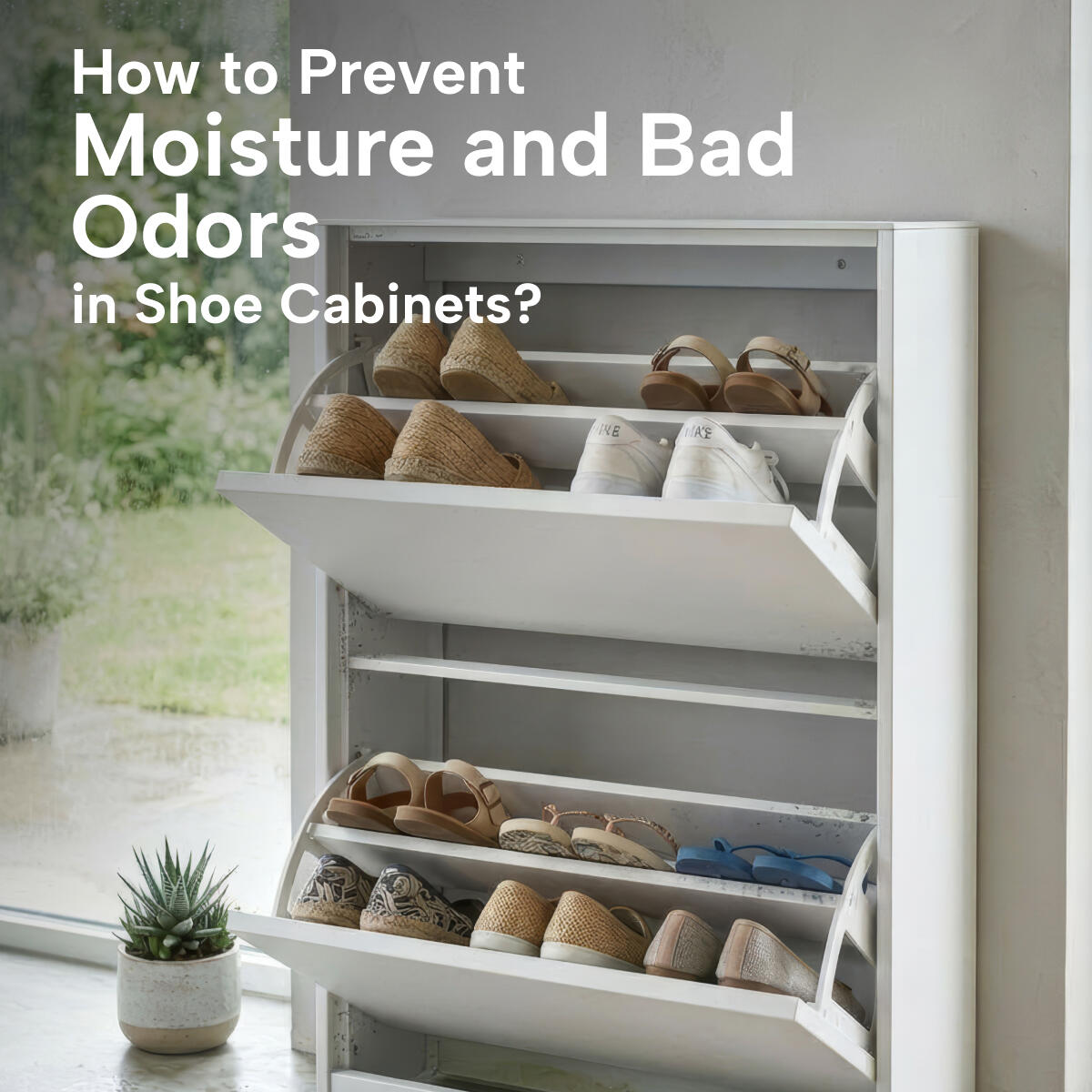
Shoe cabinets are among the areas in the home most prone to moisture build-up and unpleasant odours. Daily footwear, sports shoes, and winter boots can carry moisture indoors, which may gradually accumulate inside enclosed storage spaces.
What may begin as a slight odour can become more noticeable over time and may eventually affect the condition and lifespan of your footwear.
So, why does moisture develop inside shoe cabinets, and how can it be prevented?
Why Does Moisture Build Up in Shoe Cabinets?
Shoes are exposed to a variety of environmental conditions throughout the day.
These include:
- Perspiration
- Rain
- Snow
- Damp surfaces
- Changing weather conditions
As a result, moisture can be carried directly into the shoe cabinet, where it may accumulate in the enclosed environment.
Why Do Shoe Cabinets Develop Unpleasant Odours?
One of the main causes of unpleasant odours is excess moisture.
Humid conditions can:
- Accelerate the development of odours
- Reduce air circulation
- Prevent footwear from drying properly
The problem is often more noticeable when frequently worn shoes are not aired regularly.
Which Types of Footwear Retain the Most Moisture?
Sports Shoes
Due to frequent use, sports shoes are among the types of footwear most likely to retain moisture.
Winter Boots
Boots worn during wet weather often absorb more moisture from rain and snow.
Work Shoes
Footwear worn for extended periods may be more susceptible to moisture build-up.
Closed-Toe Shoes
Limited airflow inside enclosed footwear can cause moisture to accumulate more easily.
How Can You Tell If There Is Excess Moisture in a Shoe Cabinet?
The following signs may indicate a moisture problem:
- A strong odour when opening the cabinet
- Musty smells coming from footwear
- A damp feeling inside the cabinet
- Small mould spots
- Signs of deterioration on leather products
What Problems Can Moisture Cause in a Shoe Cabinet?
Excess humidity does more than create unpleasant odours.
It may also:
- Shorten the lifespan of footwear
- Damage leather surfaces
- Increase the risk of mould growth
- Affect other items stored within the cabinet
What Should Be Done Before Storing Shoes?
Ensure Footwear Is Completely Dry
Wet or damp shoes should never be placed directly into a shoe cabinet.
Remove Dirt and Mud
Residues that can retain moisture should be cleaned away before storage.
Allow Shoes to Air Out
Leaving footwear in a well-ventilated area for a period of time can help reduce moisture levels.
How Can Moisture Be Prevented in a Shoe Cabinet?
Ventilate the Cabinet Regularly
Air circulation decreases significantly in enclosed spaces.
Avoid Overfilling the Cabinet
Leaving sufficient space allows air to circulate more effectively.
Do Not Store Damp Footwear
Shoes exposed to rain or snow should be dried thoroughly before storage.
Monitor Indoor Humidity Levels
The overall humidity level within the home can directly affect shoe cabinets and other enclosed storage areas.
Can Moisture Absorber Packs Be Used in Shoe Cabinets?
Yes. Because shoe cabinets are enclosed spaces, they are particularly prone to moisture accumulation.
For this reason, many people choose to use moisture absorber packs inside shoe cabinets.
Moisture absorber packs can:
- Help reduce excess humidity
- Minimise unpleasant odours
- Lower the risk of mould growth
- Support the protection of footwear
Tips for Reducing Odours in Sports Shoes
- Air shoes after each use
- Avoid storing damp footwear
- Clean shoes regularly
- Maintain humidity control in enclosed spaces
Why Do Shoe Cabinets Develop More Odours During Seasonal Changes?
During autumn and winter:
- Rainfall increases
- Footwear is exposed to more moisture
- Homes are often ventilated less frequently
These conditions can accelerate moisture build-up inside shoe cabinets.
What Should You Do If Mould Appears in a Shoe Cabinet?
The first step is to identify and eliminate the source of moisture.
Simply removing visible mould is not enough. If humidity levels remain high, mould may return and the problem may continue to develop.
Conclusion
One of the main causes of unpleasant odours in shoe cabinets is excessive moisture. Keeping humidity levels under control can help protect footwear while contributing to a fresher and more comfortable living environment.
Moisture absorber packs used in enclosed storage areas can help manage excess humidity and support odour control. Developed for a variety of applications, Absormix moisture absorber packs provide practical solutions for helping to prevent moisture and odour problems in shoe cabinets.
