


One of the most important factors affecting comfort at home is temperature, while another is humidity. Many people pay close attention to room temperature but overlook the impact that high or low humidity can have on everyday living.
However, indoor humidity levels can directly affect many aspects of the home, from mould growth and musty odours to the lifespan of belongings and overall living comfort.
So, what is the ideal humidity level for a home?
What Is Humidity?
Humidity refers to the amount of water vapour present in the air.
Indoor humidity levels can vary depending on the season, climate conditions, ventilation, and daily activities.
In particular, the following can increase humidity levels:
- Drying laundry indoors
- Cooking
- Taking showers or baths
- Poor ventilation
What Is the Ideal Indoor Humidity Level?
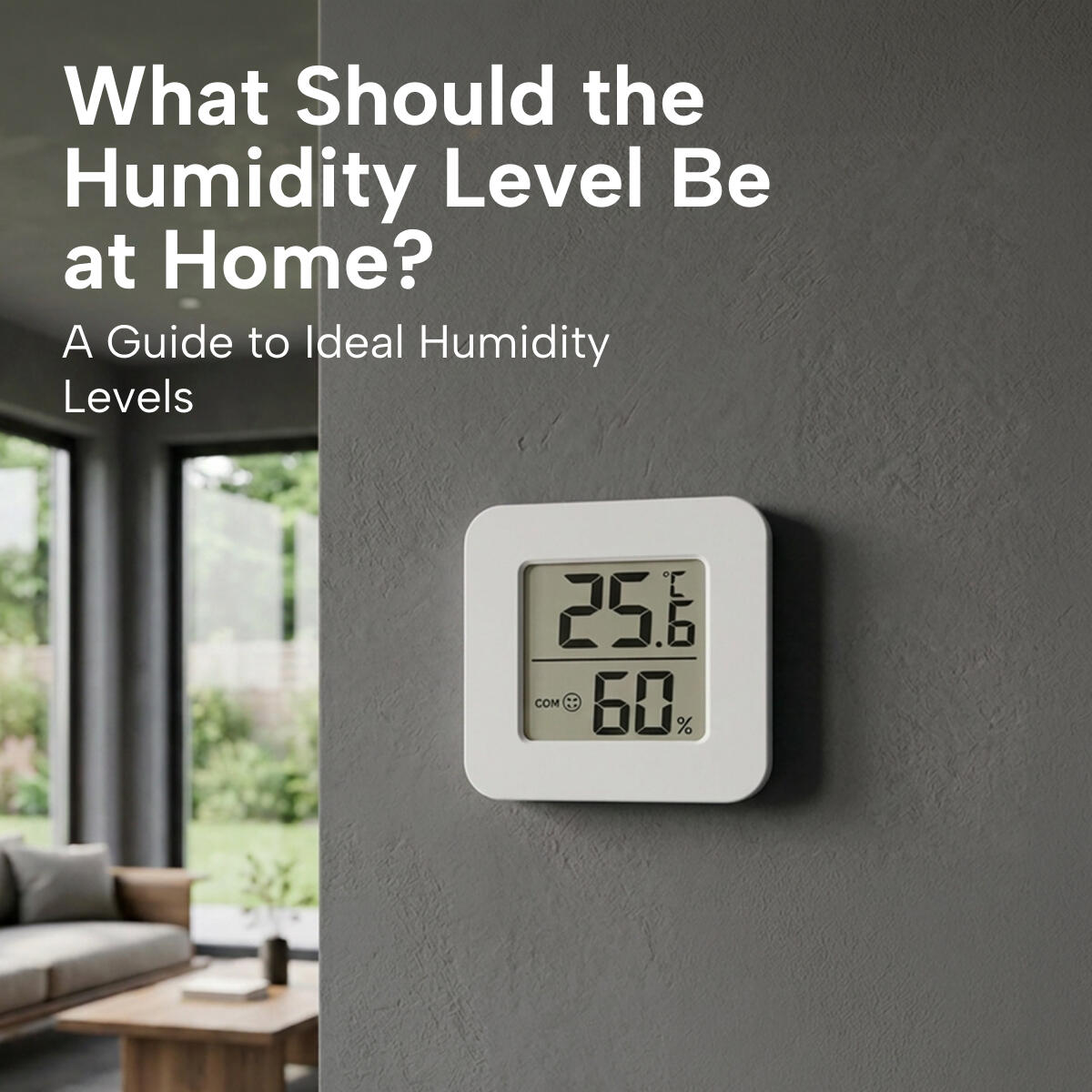
Experts generally recommend maintaining an indoor relative humidity level between 40% and 60%.
This range is considered ideal both for living comfort and for helping to protect household belongings.
What Happens If Humidity Levels Are Too High?
Increased Risk of Mould Growth
High humidity can create favourable conditions for mould to develop and spread.
Musty Odours May Occur
Moisture trapped in enclosed spaces can eventually lead to unpleasant smells.
Condensation on Windows
Condensation may appear on window surfaces, particularly during colder months.
Wooden Surfaces May Be Affected
Furniture and wooden items exposed to excessive humidity over long periods may become damaged.
Increased Risk of Corrosion
High moisture levels can accelerate corrosion and rust formation on metal surfaces.
What Happens If Humidity Levels Are Too Low?
The Air May Feel Uncomfortably Dry
Lower humidity levels can reduce overall indoor comfort.
Cracking in Wooden Surfaces
Natural wood products may shrink or develop cracks over time.
Increased Static Electricity
Low humidity can contribute to higher levels of static electricity, particularly around electronic equipment.
How Can You Measure Humidity at Home?
Indoor humidity levels can be monitored using a device known as a hygrometer.
Regular monitoring helps identify potential moisture-related problems before they become more serious.
Signs of High Humidity in the Home
The following signs may indicate excessive humidity:
- Persistent condensation on windows
- Stains or discolouration on walls
- Mould growth
- Strong musty odours
- Dampness inside cupboards and wardrobes
- Unpleasant smells on clothing
Why Does Humidity Increase Indoors?
Poor Ventilation
Without adequate airflow, moisture becomes trapped inside the home.
Drying Laundry Indoors
Water evaporating from clothes can significantly increase indoor humidity levels.
Water Leaks
Hidden plumbing leaks can continuously introduce moisture into the environment.
Insulation Problems
Condensation forming on cold surfaces due to inadequate insulation can increase humidity levels.
How Can You Reduce Humidity in Your Home?
Ventilate Regularly
Opening windows at regular intervals improves airflow and helps remove excess moisture.
Dry Laundry Outdoors Whenever Possible
This can significantly reduce the amount of moisture released indoors.
Remove Steam from Bathrooms and Kitchens
Extractor fans and ventilation systems should be used whenever available.
Check for Water Leaks
Eliminating the source of excess moisture is one of the most effective long-term solutions.
Use Moisture Absorber Packs
Moisture absorber packs can be particularly useful in:
- Wardrobes
- Pantries
- Storage rooms
- Rarely used rooms
where they can help manage excess humidity.
Moisture Control in Wardrobes and Enclosed Spaces
In many homes, moisture problems are first noticed inside wardrobes and storage areas.
Moisture absorber packs used in these environments can:
- Help protect clothing and fabrics
- Reduce unpleasant odours
- Lower the risk of mould growth
Why Does Humidity Increase During Winter?
During winter:
- Windows are opened less frequently
- Rainfall levels are often higher
- Temperature differences between indoor and outdoor environments become greater
As a result, indoor humidity levels can rise more quickly.
Why Is Humidity Control Important?
Maintaining appropriate humidity levels can help:
- Reduce the risk of mould growth
- Prevent unpleasant odours
- Extend the lifespan of belongings
- Improve overall living comfort
For this reason, monitoring humidity levels on a regular basis can be highly beneficial.
Conclusion
For a healthy and comfortable living environment, it is generally recommended to maintain indoor humidity levels between 40% and 60%. This range supports everyday comfort while helping to reduce the risk of dampness, mould growth, and other moisture-related issues.
Moisture absorber packs are commonly used in wardrobes, storage rooms, and other enclosed spaces to help manage excess humidity. Designed for a variety of applications, Absormix moisture absorber packs can provide practical support in controlling indoor moisture levels.
